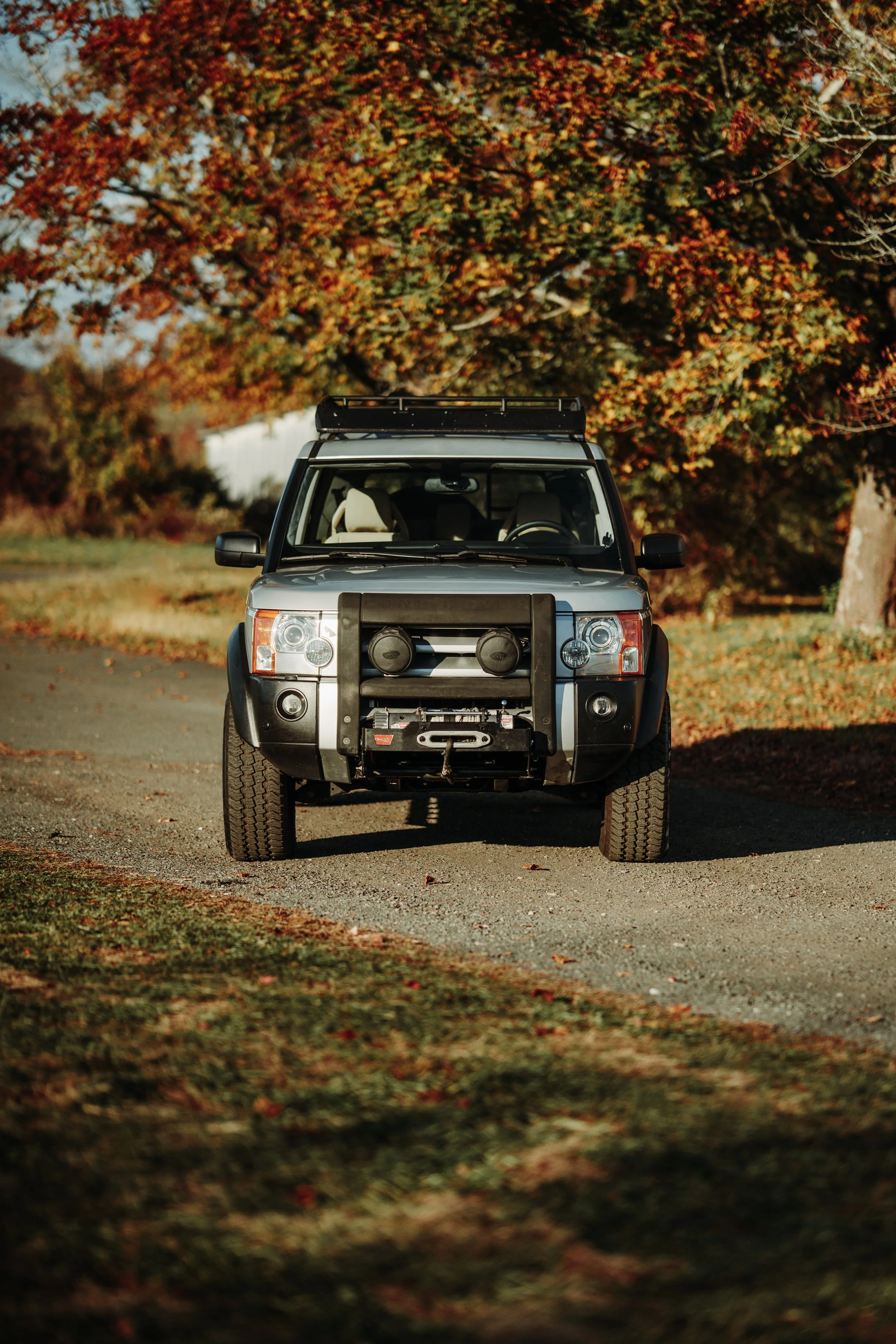
There’s a special kind of madness that drives us to blend opposites. In Project Glazed, that madness became art. A 6.8-liter stroked LS3 V8 heart transplanted into a Land Rover LR3 (Discovery 3) body originally ruled by sensors, modules, and British logic. What emerged is something extraordinary: a modern Land Rover re-engineered to accept a high-output American V8 while retaining full factory functionality through its complex CAN Bus network. This wasn’t an engine swap. It was an act of mechanical diplomacy.

The Heart of the Beast: 6.8-Liter Stroked LS3 V8
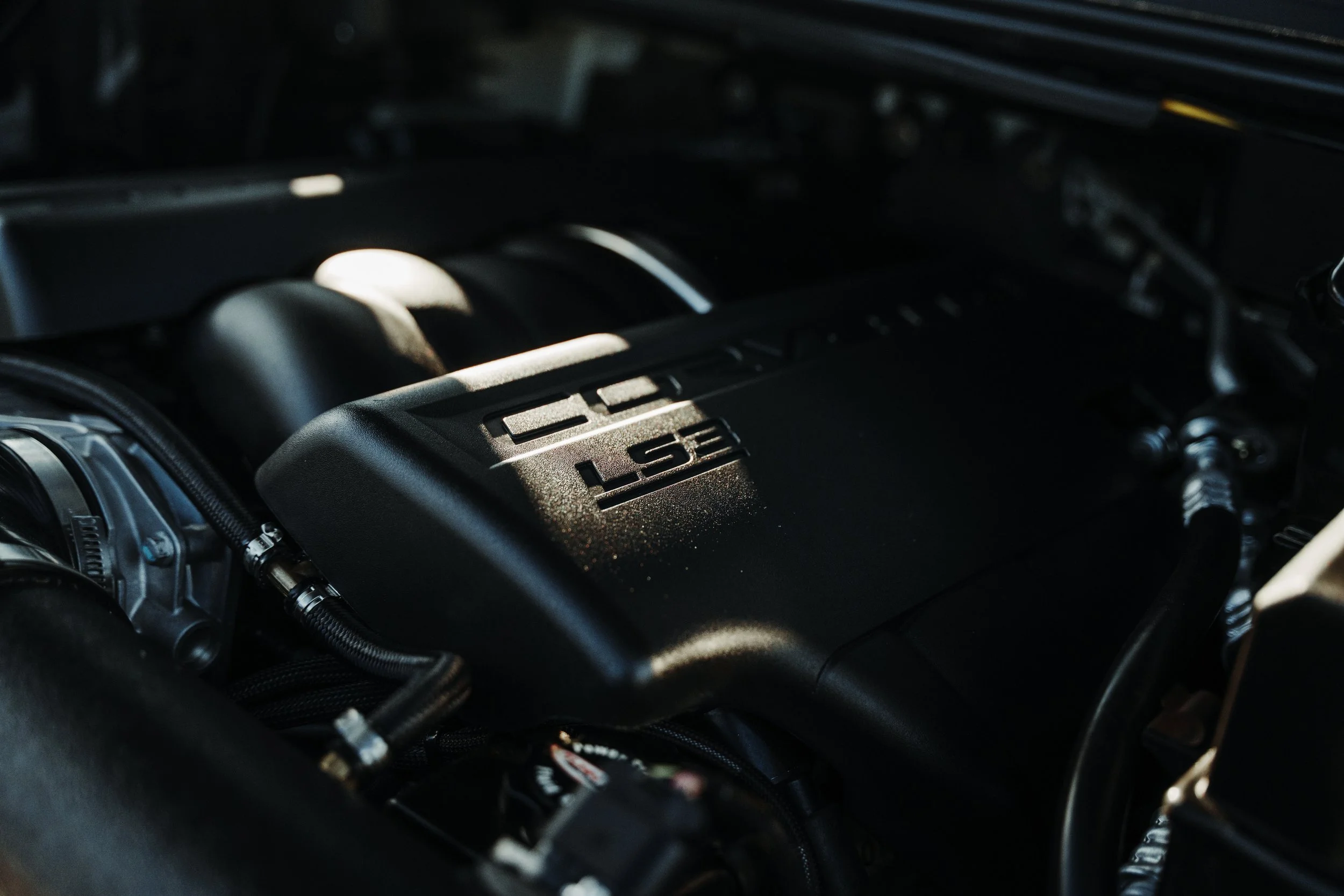
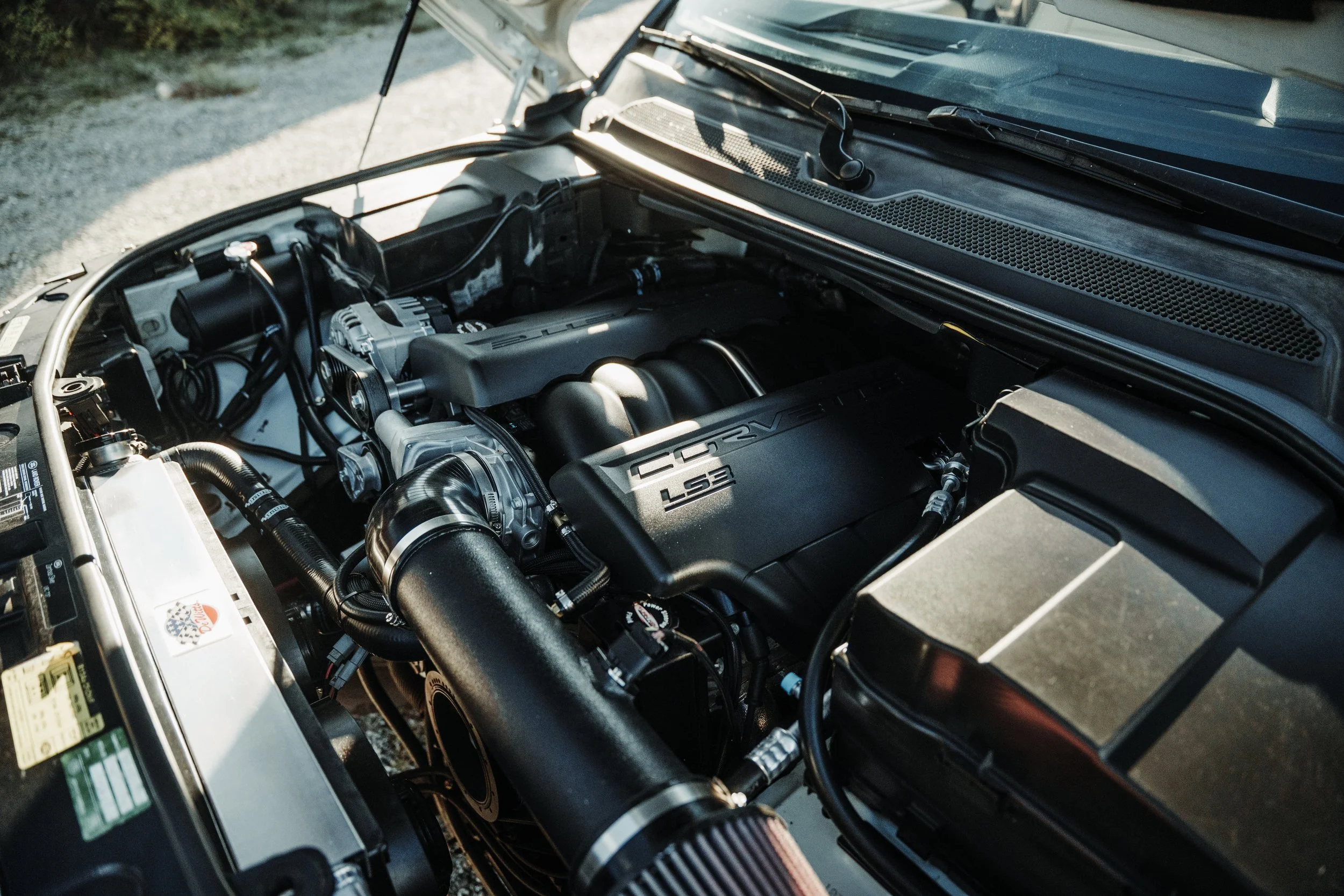
Under the hood lies a hand-built LS3, stretched to 6.8 liters (414 cubic inches) a torque-rich, high-revving evolution of the Corvette’s iconic powerplant. Custom forged internals, balanced rotating assembly, and precision calibration deliver over 550 horsepower with effortless mid-range torque. Backing it is a 6L80 six-speed automatic transmission, chosen for its electronic tunability and strength under load. But putting this kind of power into a British chassis meant far more than just mechanical fitment. The greater challenge lay in making the Land Rover’s electronics and its drivetrain fully cooperate.
Engineering Harmony: The In-House Adapter and Driveshaft System
The 6L80 was never meant to talk to Land Rover’s transfer case. To bridge that gap, Legacy Overland’s engineering team designed and machined an in-house custom adapter housing that precisely mates the GM transmission output to the LR3’s full-time 4WD transfer case. Tolerances were measured in thousandths of an inch; the flange pattern, pilot depth, and spline alignment had to be exact to maintain balance and driveline geometry. A bespoke driveshaft coupler and yoke system followed fabricated to absorb torsional stress while keeping OEM ride height and centerline alignment intact. This mechanical interface became the physical handshake between two completely different worlds: Detroit muscle and British engineering.
The result? Factory 4WD retained, no driveline vibration, and full compatibility with Land Rover’s Terrain Response system all while handling more than double the original torque output.
The Real Challenge: CAN Bus Integration
Unlike classic Defenders or Range Rover Classics, the LR3 operates through a digital nervous system a multiplexed CAN Bus network connecting over 30 control modules. Each expects precise, continuous data: throttle position, RPM, torque request, transmission range, and more. Remove the original engine, and the entire system collapses. To restore order, Legacy Overland engineered a custom CAN Bus bridge a translation layer between the GM ECU and the Land Rover’s network. Months of reverse-engineering CAN frames, decoding arbitration IDs, and programming microcontrollers allowed the LS engine and 6L80 transmission to speak Land Rover.
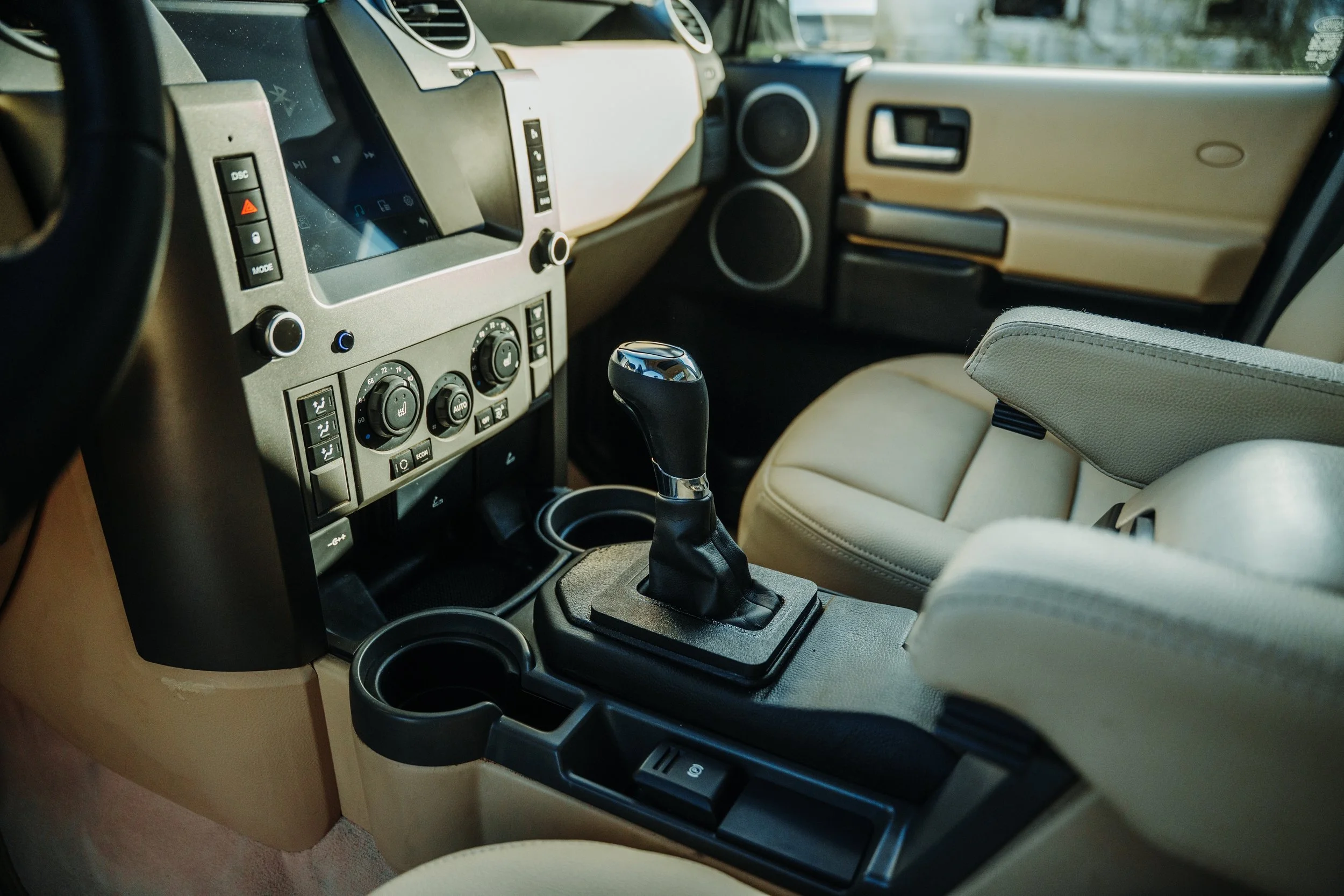
This proprietary interface keeps the cluster alive, stability control functional, air suspension happy, and diagnostic tools operational all while the LS roars beneath the hood.
Essentially, we taught the Land Rover to speak fluent American V8.
Marrying Muscle and Software
The final integration relied on a hybrid control strategy: the GM ECU handled engine logic, while a secondary translation module transmitted converted CAN messages in real time to Land Rover’s modules.
The payoff:
Factory instrument cluster fully functional
6L80 gear display recognized correctly
Terrain Response and traction systems online
Air suspension and transfer-case logic preserved
Cruise control and OBD diagnostics active
Every signal had to be re-mapped, tested, and validated where mechanical horsepower met digital language.
A Modern Rover, Reimagined
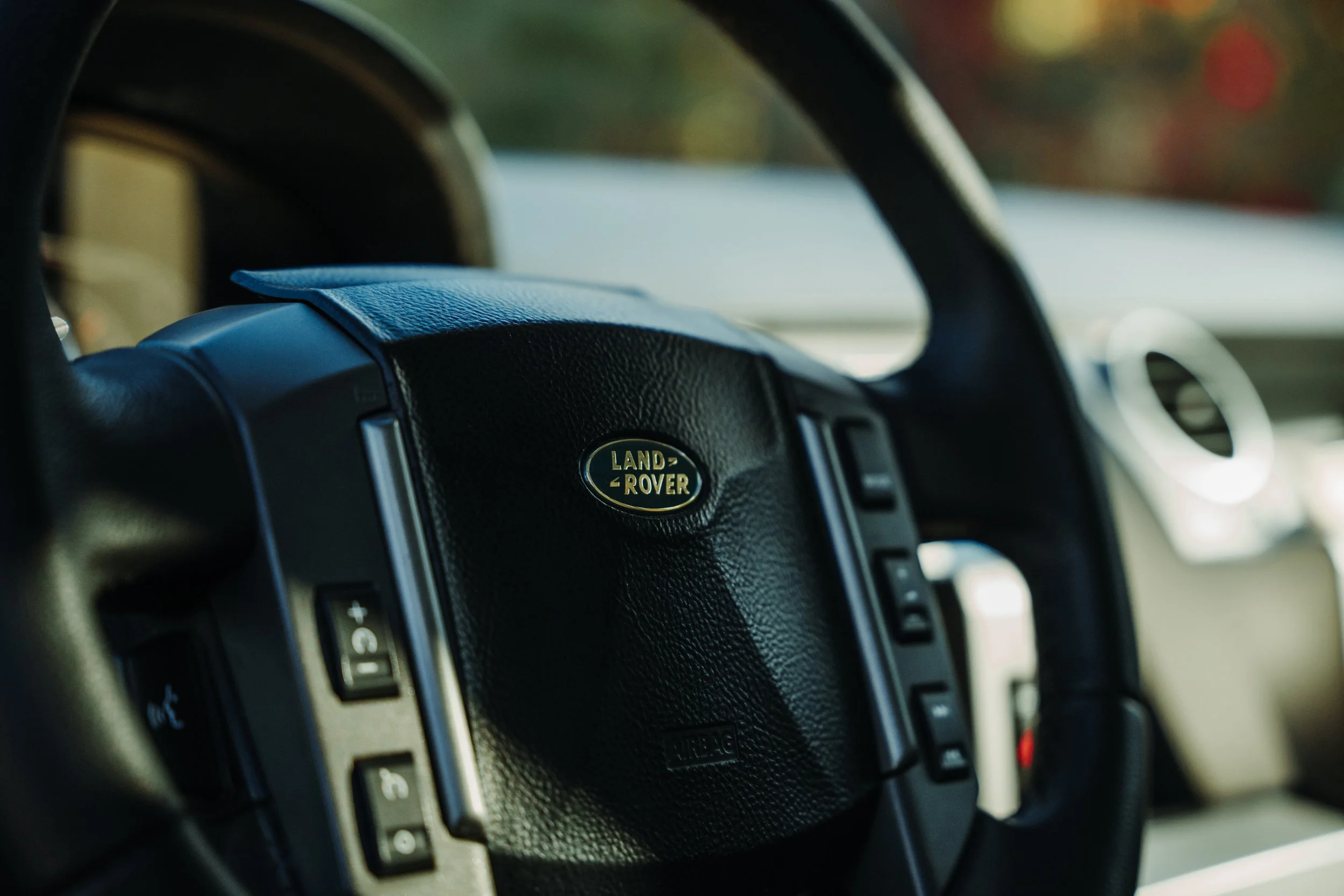
On the road, Project Glazed feels nothing like a stock LR3. Throttle response is immediate, the V8’s tone raw and guttural, yet the chassis remains refined and composed. The steering wheel buttons still work. The air suspension still breathes. And behind all that civility lies a 6.8-liter LS3 eager to remind you that this Discovery now carries the soul of a supercar. It’s the world’s first LS-powered Land Rover Discovery 3 where everything — from the dashboard lights to the 4WD system — works as it should. A union of power and precision. A handshake between two engineering cultures that were never meant to meet.